
Equine podiatry · Digital manufacturing
Advanced solutions for laminitis treatment through custom 3D-printed horseshoes.
Clinical platform for veterinarians, farriers and owners: technical consulting and digital manufacturing of bespoke horseshoes for treating laminitis in horses, ponies and donkeys. We print and ship them directly to you.
- <0.2mm
- Print precision
- 48–72h
- Design & review
- DICOM
- Clinical compatibility
International reach
Collaborations across Spain, France, the United States and Tunisia
We have already worked with clinics, veterinarians and farriers from these countries.
 Spain
Spain France
 United States
 Tunisia
Services
Two services, one clinical workflow for laminitis horseshoes
Technical consulting
Specialised advice on podiatry, hoof biomechanics and laminitis cases for veterinarians, farriers and owners.
Custom 3D horseshoes
Digital design, printing and shipping of bespoke horseshoes for laminitic horses, based on clinical imaging.
How it works
From diagnosis to laminitis horseshoe, in one guided workflow
- 01
Request
Create the case from your private dashboard in under 5 minutes.
- 02
Clinical data with guidance
Submit clinical history, the diagnosis from the veterinarian in charge of the case, radiographs and photographs. Radiographs are mandatory: without them we cannot manufacture the horseshoe or issue reliable fitting instructions.
- 03
Quote
Review the quote prepared by our team. If you accept it, we move on to 3D design.
- 04
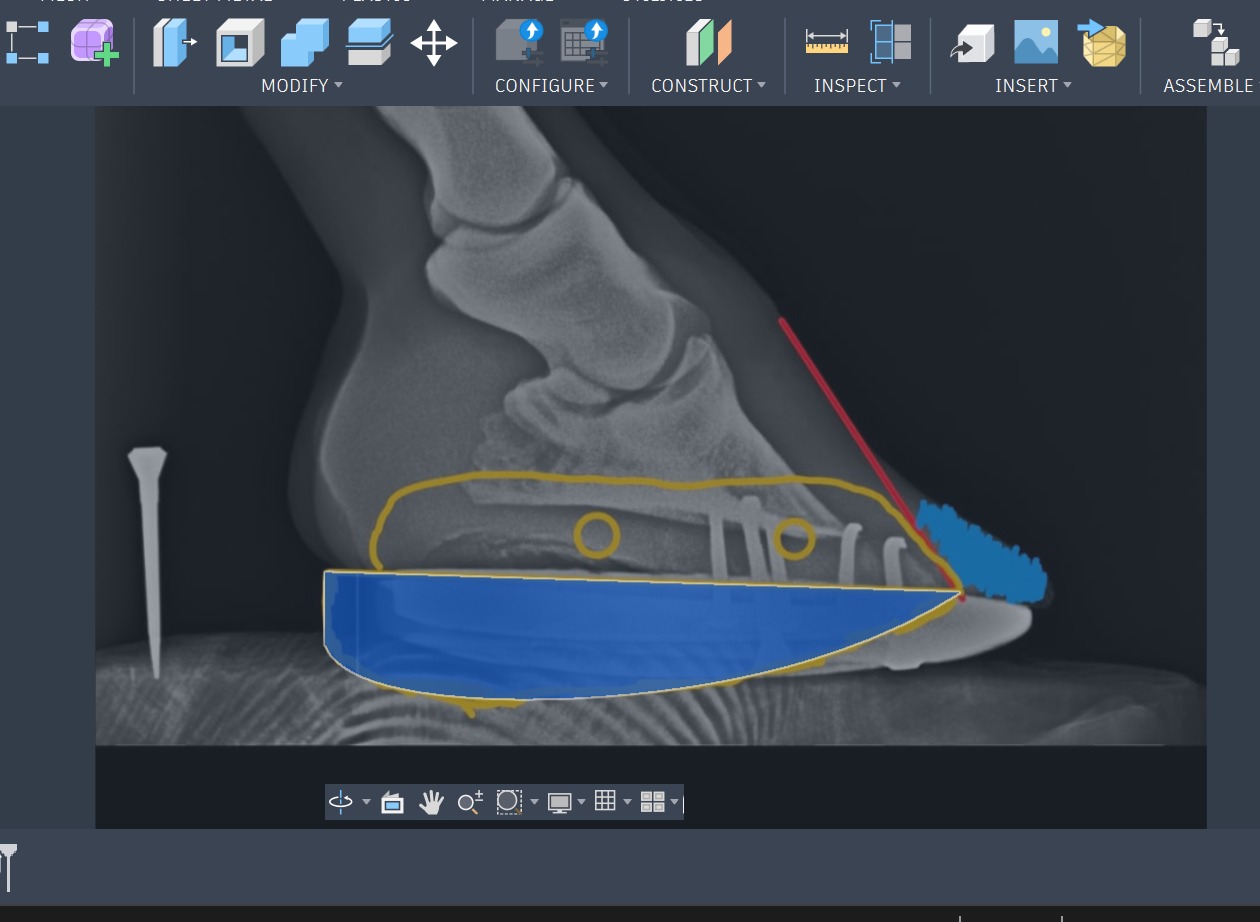
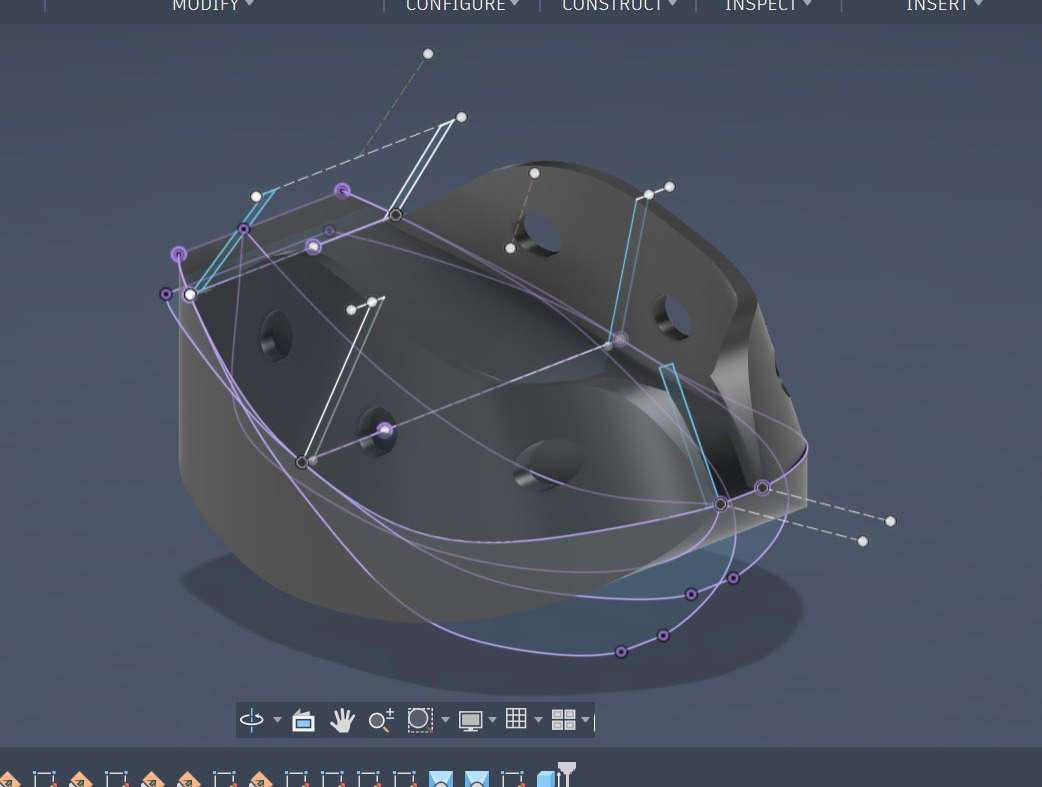
3D design
Our team models the custom horseshoe and validates the geometry.
- 05
Manufacturing & shipping
We print the horseshoe, run quality control and ship it to you with full case tracking.
- 06
Fitting instructions
Based on the radiographs you provide, we prepare and send a document with the trimming and fitting instructions for the hoof/hooves to ensure a correct fit.
Vet and farrier, working in harmony
The success of the treatment depends on close collaboration between the veterinarian responsible for the case and the farrier in charge of fitting. Both professionals must work together, in harmony, sharing diagnosis, radiographs and instructions so that the 3D horseshoe fulfils its therapeutic purpose.
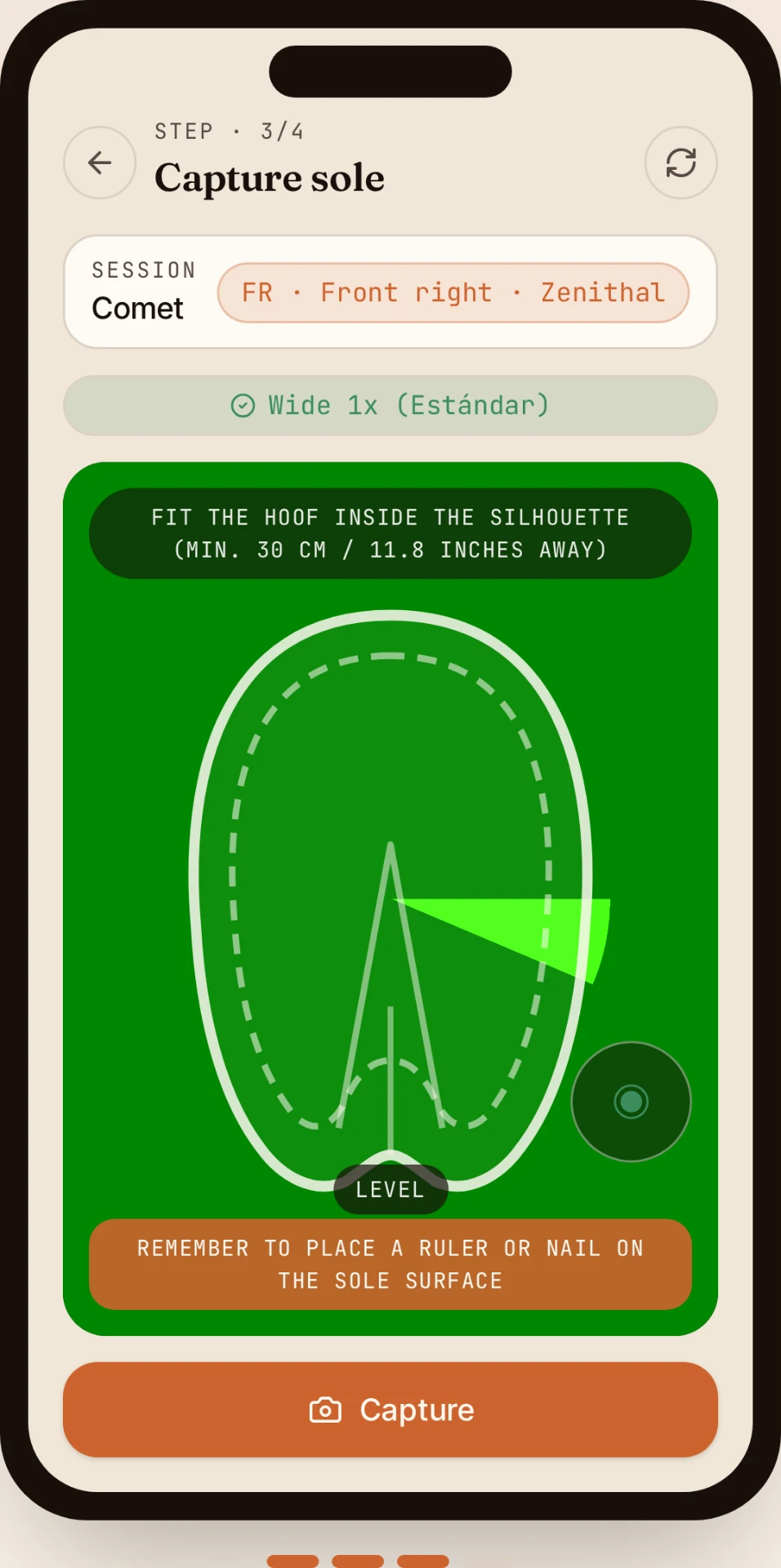
Image capture with HoofCal by Apex Horseshoes
All images used for the horseshoe design must be taken with HoofCal, the Apex Horseshoes app. Installing it is not required, although it is recommended: to access it you only need to click the link.
Open HoofCal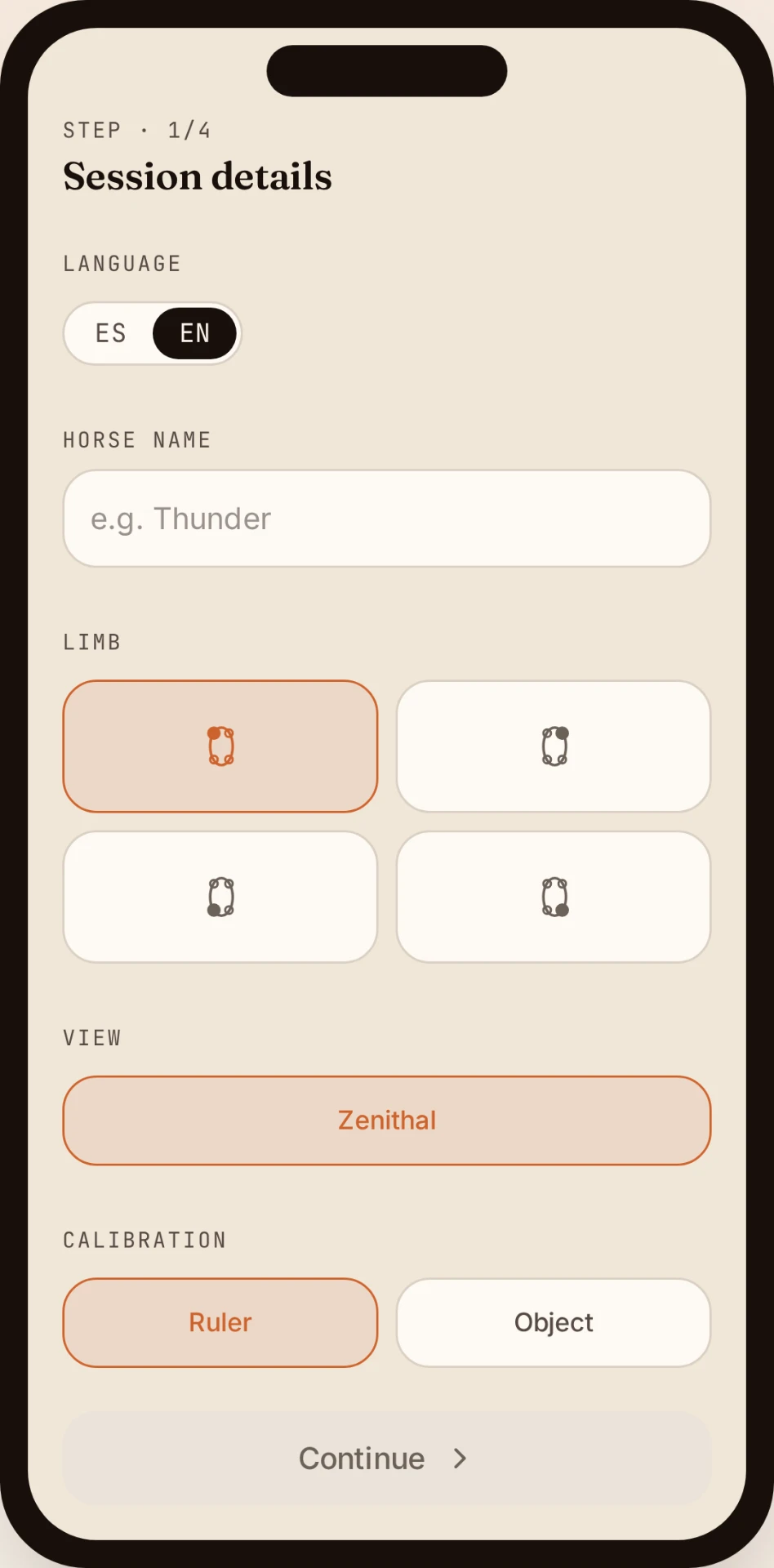
Research & material
Months of testing to find the right design and filament for laminitis horseshoes
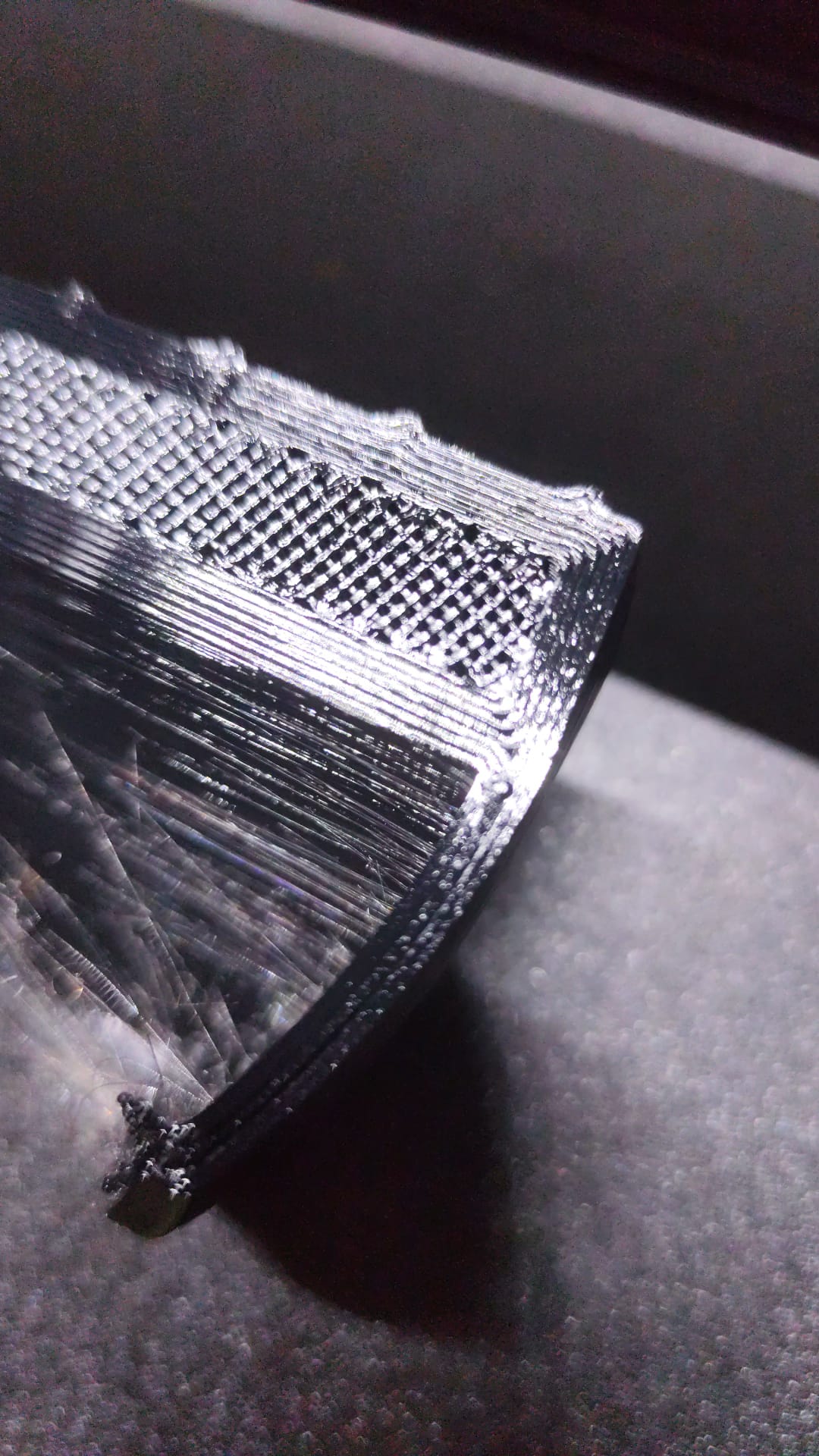
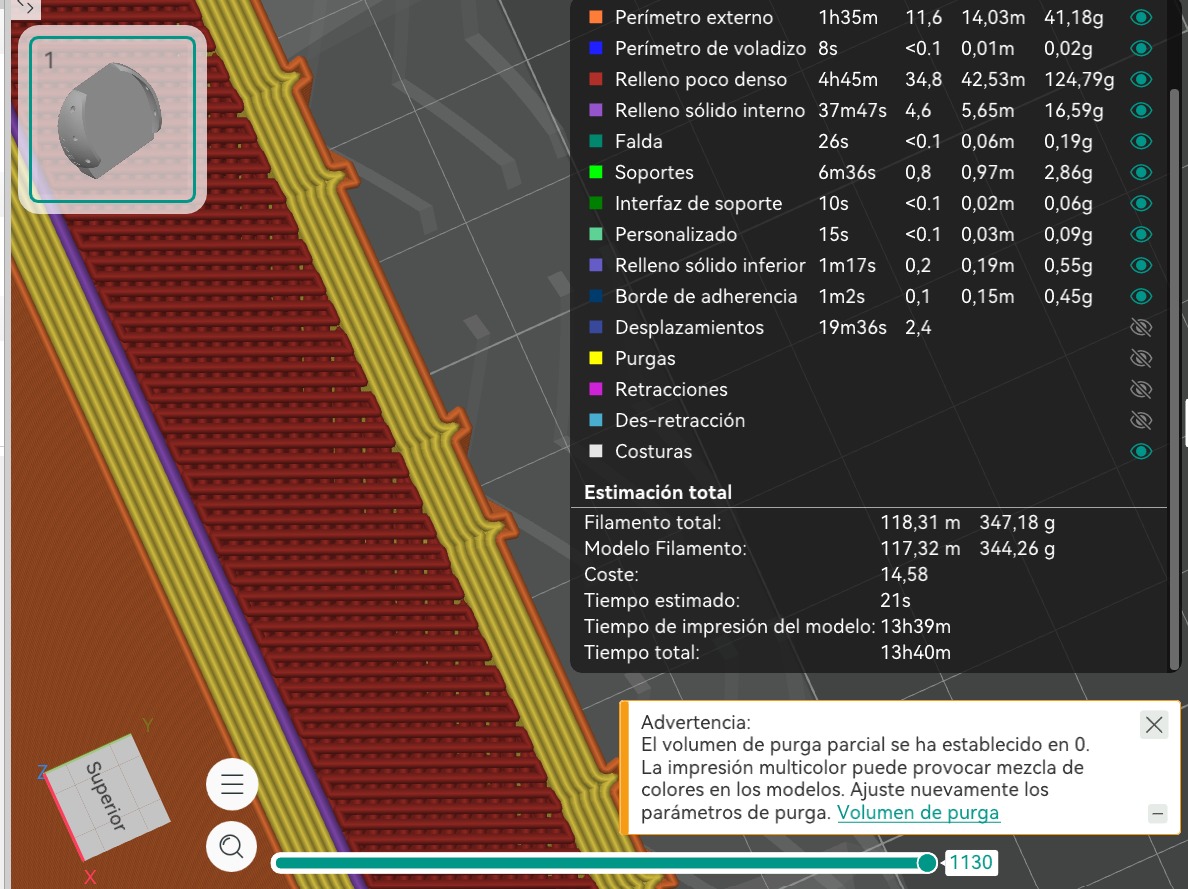
After many months of research and testing, we identified a filament whose mechanical behaviour is closest to traditional wood: shock absorption, wear resistance and response to hoof flexion. We carefully control every printing parameter to ensure a reliable, repeatable part.
Controlled fusion
We tune layer fusion to maximise structural strength without sacrificing lightness.
Printing temperatures
We calibrate precise thermal ranges to prevent warping and ensure a clinical-grade finish.
Wood-like behaviour
The material was chosen for its wood-like response: elastic, moisture-tolerant and biocompatible for equine use.
Lightweight and nail-free
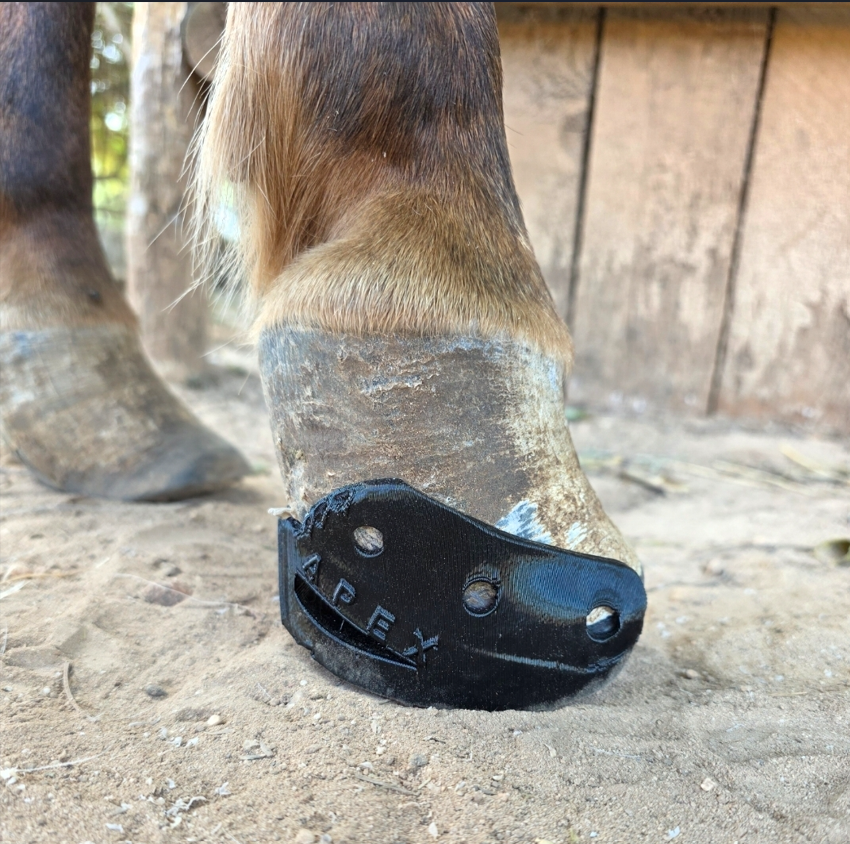
They are extremely lightweight and are bonded with specialist adhesives such as Vettec Adhere or Equilox, preserving the hoof wall as much as possible.
Condition
What is laminitis and how do laminitis horseshoes help?
Laminitis is a condition that can affect all horses, ponies and donkeys. It is an inflammation of the laminae, the tissue that keeps the coffin bone (P3) attached to the inner wall of the hoof.
When the laminae become inflamed, they weaken and stop properly supporting the tension exerted by the deep digital flexor tendon on P3. As a result, the coffin bone can separate from the inner hoof wall and rotate.
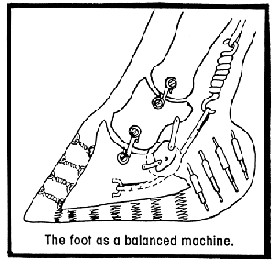
To understand it better, we can imagine the laminae as a velcro system. When that "velcro" loses strength, it ends up separating due to the constant pull of the deep digital flexor tendon.
Another simple way to visualize it is to think of the coffin bone as a joystick held in position by the balance between two forces: the laminae on one side, and the deep digital flexor tendon on the other. It is similar to a tug-of-war game with a flag in the middle. When the laminae team loses strength, the tendon takes over and pulls the coffin bone backward, causing it to rotate.
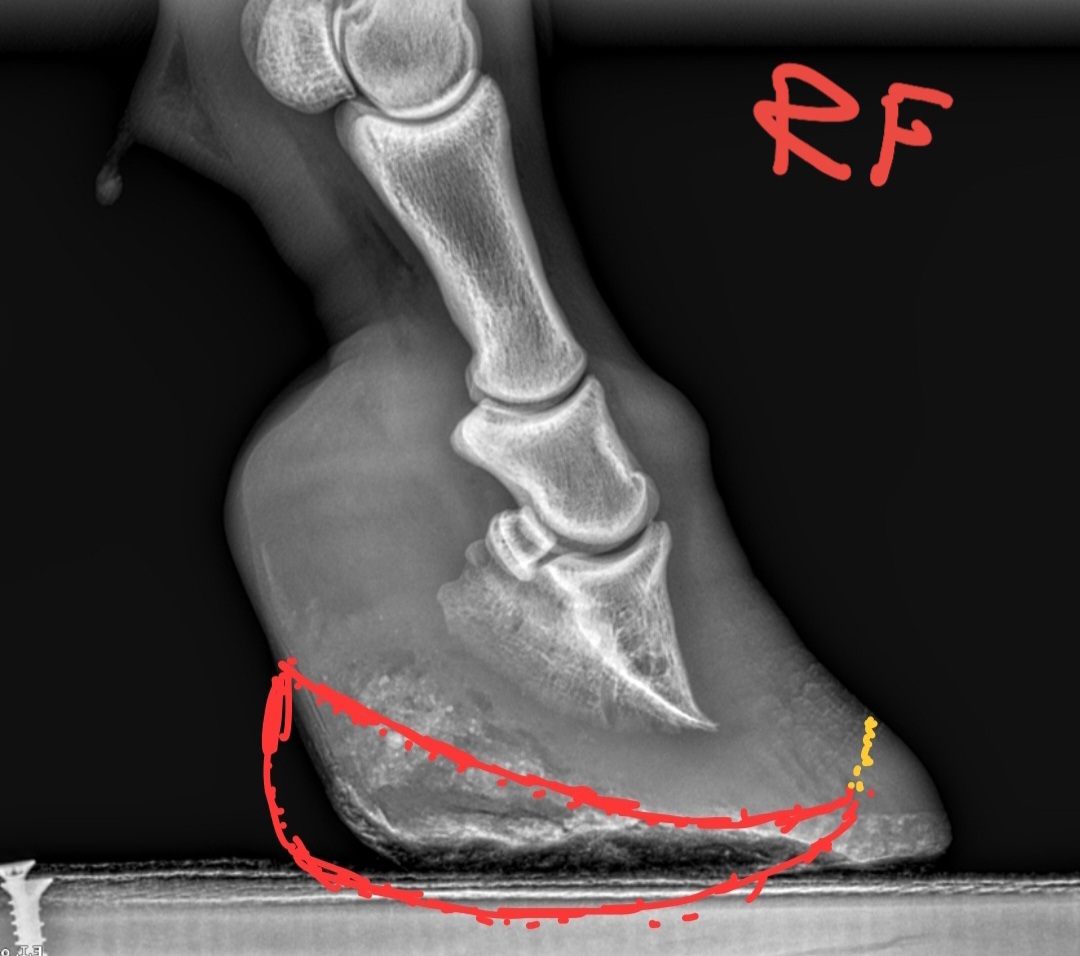
This rotation causes the tip of the bone to significantly increase pressure on the solar corium, the structure responsible for producing the sole of the hoof. As a result, blood flow in that area decreases, preventing normal sole growth.
For this reason, the main goal in treating laminitis is to restore blood flow as soon as possible. Only then can the sole needed to return the coffin bone (P3) to its position be produced again.
Speed of action is essential. The sooner blood circulation is restored, the lower the chances of necrosis appearing, one of the greatest enemies of laminitis. When tissue dies, recovery becomes much more complicated.
Horses with laminitis often develop numerous abscesses precisely for this reason. The body needs to eliminate dead, necrotic or infected tissue. Therefore, the appearance of abscesses in a laminitic horse provides important information about the process occurring inside the hoof.
The horseshoes we use are not a magic solution, but they are a very important aid. Their design allows reducing the traction of the deep digital flexor tendon on the coffin bone by up to 60%, partly balancing the battle between the laminae and the tendon.
By reducing the tension exerted by the tendon, the pressure of the bone tip on the solar corium is also reduced. This favours the recovery of blood flow and promotes the growth of a healthy sole, an essential step for the horse's recovery.
Reduction of deep digital flexor tendon traction
Our horseshoes help balance the battle between laminae and tendon, reducing pressure on the solar corium.
Main causes of laminitis
- Metabolic: insulin resistance, which reduces tolerance to sugars and starches.
- Mechanical: stress or overload on the limb due to injury in another leg (compensatory overload).
- Septic: systemic inflammation that triggers an inflammatory response in the laminae.
Before and after: sole regrowth with 3D laminitis horseshoes
Radiographic comparison of the same hoof before treatment and after several weeks with the Apex 3D horseshoe. Sole recovery and coffin bone repositioning are visible.
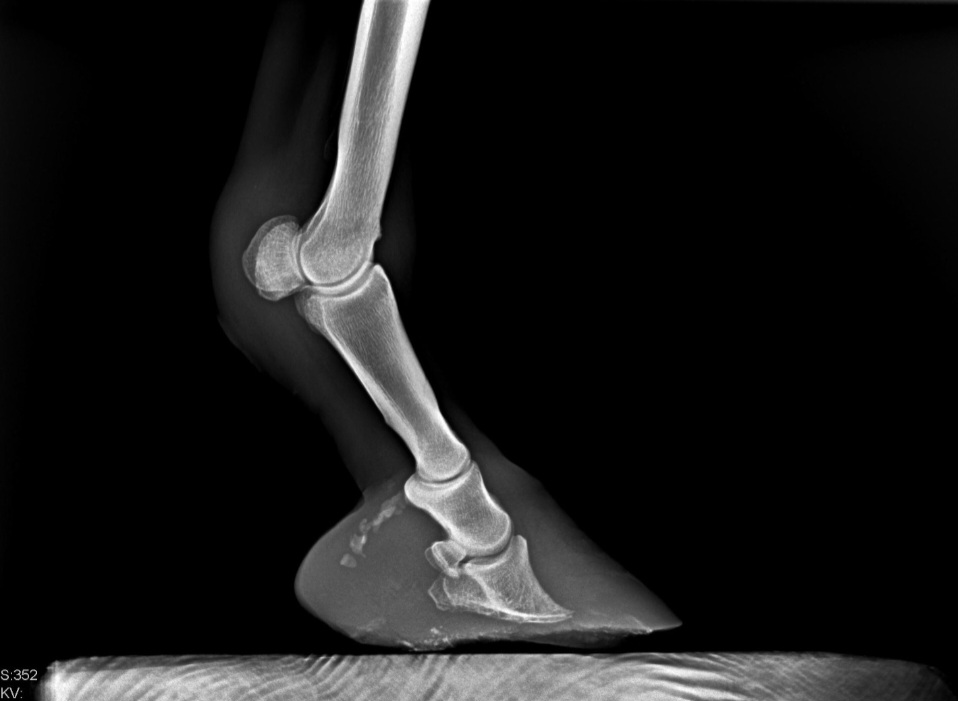 Before12/12/2025
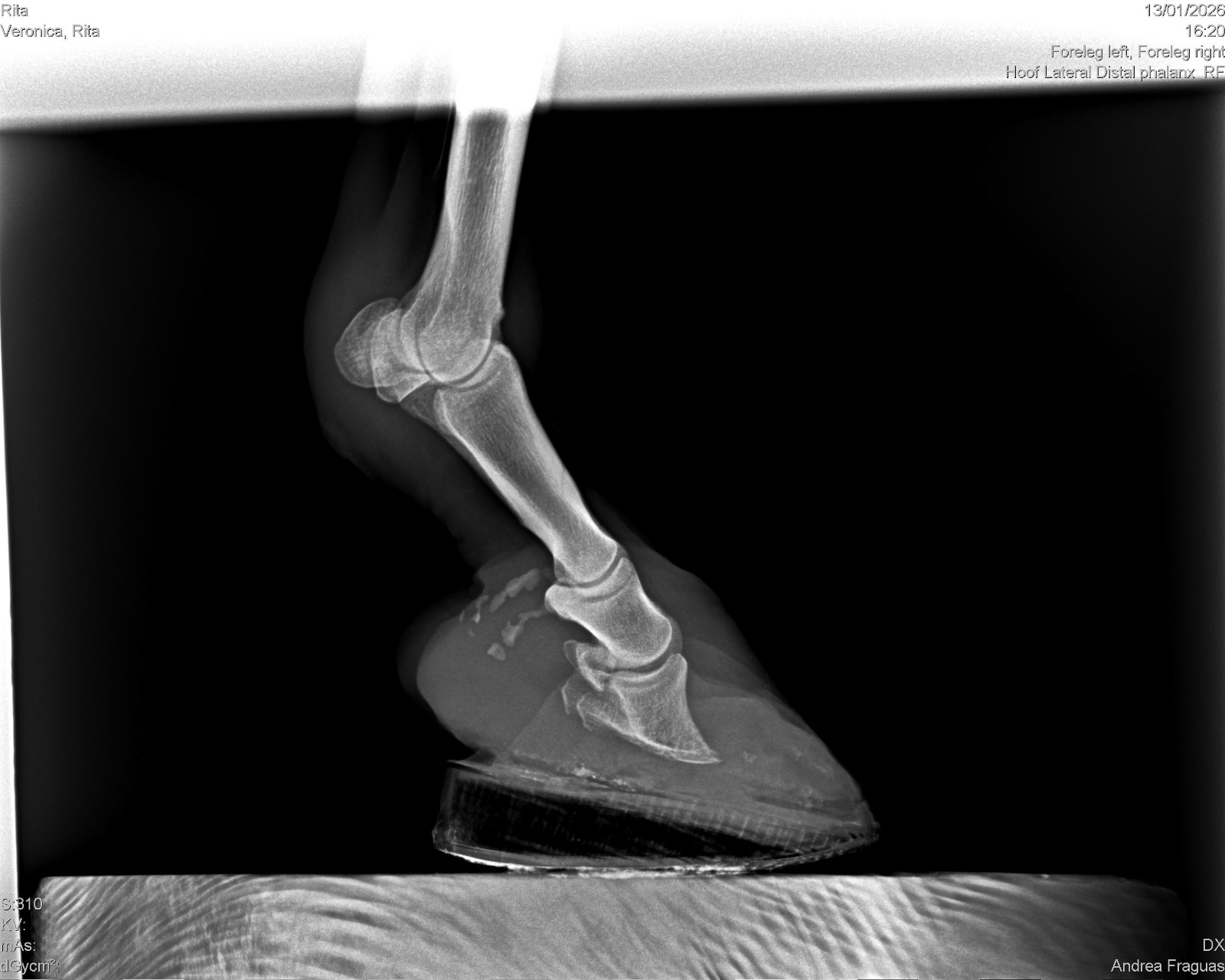 January13/01/2026
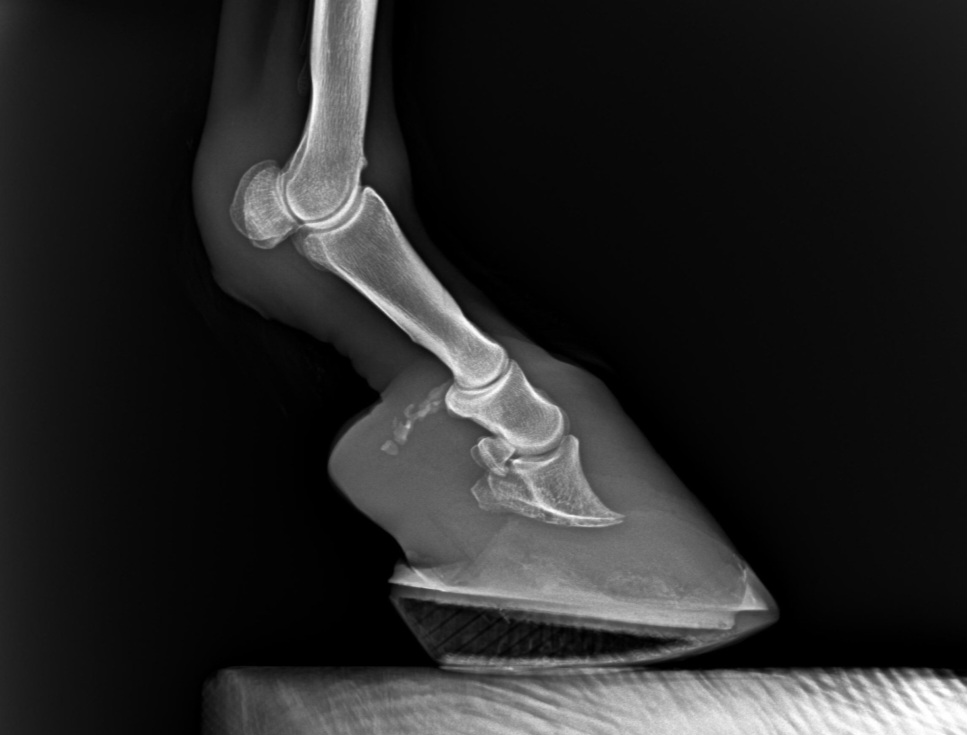 May19/05/2026
Benefits
A platform built for clinical rigour in laminitis treatment
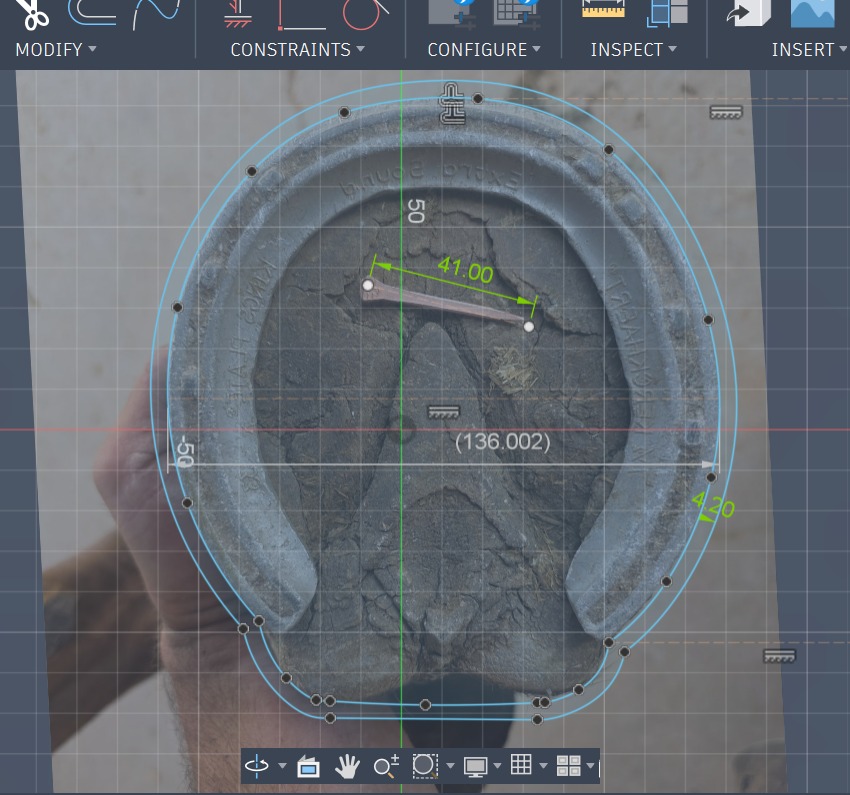
Imaging-based precision
Every horseshoe is designed from radiographs and real hoof measurements.
Structured clinical flow
Step-by-step wizard that prevents errors and centralises all documentation.
Full traceability
Case status always visible: received, review, design, manufacturing.
Bilingual technical team
We work fluently in Spanish and English, which lets us design and deliver 3D horseshoes for equids anywhere in the world.
DICOM compatible
Upload radiographs straight from your imaging equipment.
Case follow-up
To ensure the success or improvement of a case, the animal must be followed up every 5-8 weeks (with a new design).
FAQ
Laminitis horseshoes: your questions answered
Contact
Do you need a special pathological horseshoe for your horse, donkey or pony?
We also develop custom horseshoes for cases beyond laminitis, such as post-surgical horseshoes. Write to us and a specialist will reply within 24 working hours.